Digicam: A Playful Serif Display Font for Modern Branding
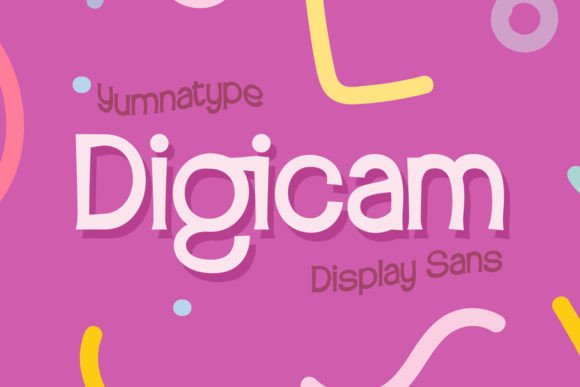
I remember staring at a blank brand board late on a Tuesday, trying to find the right personality for a local artisan bakery that wanted to move away from generic rustic fonts. The brief called for something warm, friendly, and undeniably modern without losing that handcrafted charm. That is when I opened Digicam, a charming serif display font that exudes a playful and modern vibe. As soon as I placed it next to the logo concept, the entire mood of the project shifted; the soft curves and gentle demeanor of the typeface added a touch of warmth and friendliness to any design project immediately.
After spending the weekend testing this Display type across various mockups, from business cards to social media layouts, I realized how versatile this Fonts collection truly is for creative professionals looking to elevate their visual identity. This review breaks down my real-world experience using Digicam in a boutique identity system, offering honest insights into where it shines and where you might want to exercise caution.
Digicam for Bakery Packaging and Handmade Product Labels
When I first applied Digicam to a packaging mockup for a small-batch skincare line, the results were surprisingly effective. The font's unique character set allows it to stand out on crowded shelves while maintaining an approachable aesthetic that invites customers to pick up the product. Unlike many stiff serif options that feel too traditional or academic, Digicam brings a contemporary energy that fits perfectly with brands targeting younger, style-conscious consumers.
The legibility remains strong even at smaller sizes, making it ideal for product labels where space is limited but impact is crucial. I found that the gentle curves of the letters create a sense of movement that guides the eye naturally across the label, enhancing the overall visual hierarchy. For businesses selling handmade goods, organic foods, or artisanal crafts, this serif font offers a perfect balance between professionalism and personality. It avoids the trap of looking like a decorative novelty, instead positioning itself as a premium choice for brands that value quality and design integrity.
Digicam for Creative Studio Logos and Brand Identity Systems
In the realm of logo design, finding a typeface that conveys both creativity and reliability can be challenging. During my test project, I used Digicam as the primary lockup for a creative studio's new brand identity. The font's playful yet structured nature allowed us to build a logo that felt dynamic without being chaotic. When paired with a clean sans serif font for secondary information, the contrast created a sophisticated look that worked beautifully on everything from website headers to letterheads.
This display font excels when used as a headline font or logo font because its distinct shapes command attention. However, it is important to note that while Digicam is excellent for short phrases and names, it may not be the best choice for long body text. Its character is too expressive for dense paragraphs, which is why I recommend using it primarily as an accent font or a supporting typeface for titles. By limiting its use to key moments in your design, you ensure that the font retains its special impact and doesn't become visually overwhelming.
Digicam for Social Media Graphics and Web Design Headers
Social media platforms are all about stopping the scroll, and that is where Digicam truly comes into its own. I tested the font on a series of Instagram posts and Facebook ads, and the results were engaging. The soft curves and gentle demeanor of the characters make the content feel more personal and less corporate, which resonates well with audiences on visual-first platforms. Whether you are designing a quote card, a promotional banner, or a story highlight cover, this creative font adds a layer of polish that elevates the entire post.
For web designers, incorporating Digicam into homepage hero sections can instantly define the tone of a site. I observed that the font works particularly well for modern typography systems that aim to break away from standard grid-based layouts. Its ability to convey warmth and friendliness helps humanize digital experiences, making visitors feel more connected to the brand. When selecting file formats, ensure you have access to webfont versions if you plan to embed the type directly into your code, though standard desktop usage is sufficient for most graphic assets.
Digicam for Editorial Design and Print Marketing Materials
Moving beyond digital screens, I also explored how Digicam performs in print marketing materials like flyers, posters, and editorial layouts. The high-quality rendering of the glyphs ensures crisp output on paper, whether you are printing a large-format poster or a stack of business cards. The font's versatility allows it to adapt to different design contexts, from bold headlines in a magazine spread to elegant subheadings in a brochure.
However, not every project is suitable for this commercial font. If you are working on a formal corporate document, legal contract, or a technical manual, Digicam might feel too informal and could undermine the seriousness of the content. Similarly, for projects requiring extensive multilingual support or complex kerning adjustments in very small sizes, you should verify the specific language support included in the package before committing. Always check the included styles, alternates, and ligatures to see if they meet your specific project requirements.
Digicam for Wedding Invitations and Elegant Branding
One of the most pleasant surprises was discovering how well Digicam works for event branding, specifically wedding invitations and stationery. The font's charming serif structure provides a level of elegance that feels timeless yet fresh. It bridges the gap between classic script fonts and modern sans serifs, offering a unique option for couples who want something distinctive without going overboard on decoration.
When pairing Digicam for these types of projects, I suggest combining it with a delicate script font for details like dates and times, or a simple sans serif for addresses and directions. This combination creates a harmonious visual rhythm that keeps the design readable while maintaining a cohesive theme. Remember to review the commercial font licensing terms carefully before using the font in client work, especially for wedding vendors or event planners who need to distribute files to multiple parties.
Digicam for Testing Before Final Client Work
Before integrating Digicam into a final deliverable, I always recommend creating a comprehensive test suite. Set up a brand board that includes the logo, color palette, and typography samples in various weights and sizes. Test the font on different backgrounds, including light and dark themes, to ensure contrast and readability remain consistent. Check how the font interacts with other design elements like icons, illustrations, and photography to ensure it complements rather than competes with them.
This premium font is a valuable addition to any designer's toolkit, offering a blend of playfulness and sophistication that is hard to find elsewhere. By understanding its strengths and limitations, you can leverage Digicam to create memorable brand identities that resonate with your audience. Whether you are a freelancer, a startup founder, or part of a creative agency, taking the time to explore how this typeface fits your specific needs will pay off in the quality of your final designs.