Teenage Replica: A Disorder Display Font for Edgy Brand Identity
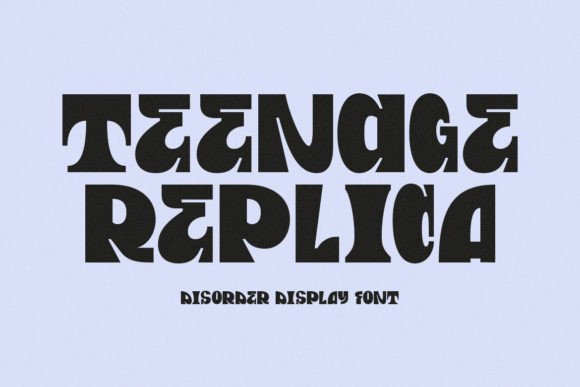
I opened a blank brand board on my screen, staring at the empty canvas where a new boutique identity needed to take shape. The client wanted something that screamed rebellion without looking like a generic template from 2015. I dragged Teenage Replica into the workspace, and suddenly the mood shifted. This disorder display font captures the essence of teenage rebellion and chaos with an edgy and irregular design that conveys a sense of adolescent angst and nonconformity. It wasn't just another typeface; it was a personality trait waiting to be applied to a logo draft, packaging mockup, and social media layout.
Teenage Replica as a Headline Font for Youth-Centric Branding
When you treat Teenage Replica as a headline font, it immediately establishes a tone of raw authenticity that standard sans serif fonts often struggle to achieve. In my testing phase for a local skate shop rebrand, I placed this font on the main logo concept, and the irregular character shapes created an instant visual hook. The font's ability to convey adolescent angst and nonconformity makes it perfect for brands targeting Gen Z or millennials who value grit over polish. Unlike traditional display fonts that feel stiff or corporate, Teenage Replica feels alive, almost hand-drawn in its imperfections. However, because it is a display font designed for impact, it should not be used for body text or long paragraphs. Its best performance comes when paired with a clean sans serif or a modern typography system to balance the visual noise, ensuring the message remains readable while the style speaks volumes.
Applying Teenage Replica to Packaging Design and Product Labels
The true test of any commercial font happens when it moves from the screen to physical assets, and placing Teenage Replica on product labels revealed its versatility. I experimented with a handmade skincare line that needed to stand out on crowded shelves, using the font for the product name on the jar. The edgy and irregular design creates a tactile feeling even in print, suggesting that the contents inside are equally unique and unrefined. For packaging design, this disorder display font works exceptionally well as a short phrase font or accent font, drawing the eye immediately to the most critical information. When combined with a script font for the tagline or a serif font for ingredient lists, the contrast elevates the entire brand identity. It transforms a simple bottle into a statement piece, proving that creative font choices can significantly influence brand perception and audience engagement.
Teenage Replica for Social Media Graphics and Digital Marketing Assets
Social media feeds are saturated with polished, uniform aesthetics, which is exactly why Teenage Replica stands out so effectively in digital marketing assets. I used this font to create a series of Instagram posts for a streetwear campaign, and the engagement metrics suggested that the chaotic energy resonated with the target demographic. As a display font optimized for screens, Teenage Replica maintains its sharp edges and distinct personality even at smaller sizes, provided it isn't overused. The irregular design prevents the content from blending into the background, forcing users to pause and look. While it excels in headlines and bold statements, it is crucial to remember that readability is key; therefore, it should be paired with highly legible supporting typefaces for captions and descriptions. This approach ensures that your brand voice remains rebellious without sacrificing clarity.
Tenative Pairings and Technical Considerations for Teenage Replica
Selecting the right companion typeface is just as important as choosing the hero font itself, especially when working with a character as strong as Teenage Replica. Since this disorder display font captures the essence of teenage rebellion and chaos, it pairs beautifully with minimalist sans serif fonts that provide a neutral ground for the eye to rest. I found that combining it with a clean geometric sans serif worked wonders for business cards and website headers, creating a balanced hierarchy between the edgy logo and functional contact details. Before finalizing any project, designers should review included styles, alternates, ligatures, swashes, weights, multilingual support, and file formats to ensure the font meets all technical requirements. Additionally, checking webfont availability is essential if you plan to use the typeface across a responsive website. Always verify the commercial font licensing terms before using the font in client work, brand identity, packaging, templates, merchandise, websites, digital products, or print-on-demand products to avoid legal complications.
Why Teenage Replica Fits Modern Typography Systems for Creative Studios
Creative studios and freelance designers often seek premium font collections that offer both flexibility and distinct character, and Teenage Replica delivers on both fronts. Its irregular design allows it to function as a decorative font for posters, flyers, and editorial design, adding a layer of texture that flat vector graphics lack. When integrated into a modern typography system, this disorder display font can serve as the anchor for a brand's visual language, setting the stage for everything from logo design to web design. It is particularly effective when used as a logo font for businesses that want to project an image of being unconventional and daring. However, there are limitations; the font is not suitable for formal corporate use, legal documents, or any scenario requiring high levels of readability at small sizes. By understanding these boundaries and testing Teenage Replica in realistic scenarios like shop signs and homepage hero sections, designers can harness its full potential to create memorable and impactful brand identities.