Dance Font Review: A Playful Display Typeface for Warm Branding
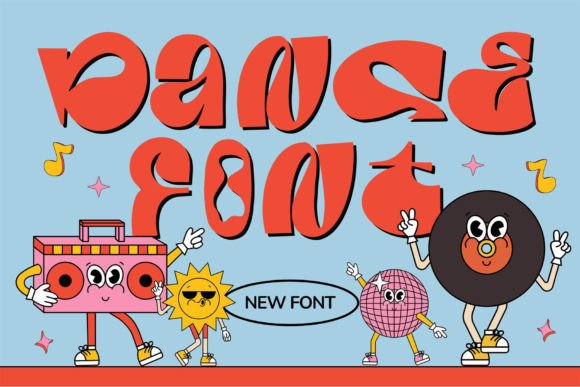
I remember staring at a blank brand board late on a Tuesday, trying to capture the exact feeling of a new local bakery. The client wanted something that felt handmade and welcoming, but I didn't want it to look childish or cheap. That was when I pulled Dance from my collection of display fonts. It wasn't just another typeface; it felt like an immediate solution. With its rounded letterforms and a naturally welcoming demeanor, this font exudes approachability and warmth in a way that few others manage to achieve without sacrificing style.
Testing Dance in a realistic branding project revealed how versatile a well-crafted creative font can be. When I placed the name on a logo draft for a boutique skincare line, the rounded edges softened the visual impact immediately, making the brand feel accessible rather than clinical. Unlike many rigid sans serif options, Dance brings a playful touch to your designs while maintaining enough structure to remain professional. This balance is exactly what makes it such a valuable asset for designers looking to inject personality into their work.
Dance for Bakery Packaging and Handmade Shop Branding
The true test of any commercial font happens when you move from the screen to physical materials. I applied Dance to a series of mockups for a small-batch jam label and a hand-stitched tote bag shop. In these contexts, the font's friendly character shines because it mirrors the craftsmanship behind the products. The rounded letterforms create a sense of softness that aligns perfectly with organic ingredients or artisanal goods.
When used on packaging design assets, Dance acts as a visual handshake. It invites the customer to pick up the product. For a bakery, seeing the word "Fresh" or "Sweet" set in Dance suggests a treat that is gentle and delightful. It avoids the harshness of sharp geometric fonts, which might feel too industrial for a cozy café or a craft fair booth. If you are designing for audiences who value authenticity and warmth, this typeface provides the perfect tone of voice before they even read the tagline.
- Logo Design: Works exceptionally well for single-word logos where personality is the primary focus.
- Packaging Labels: The rounded shapes scale beautifully on small jars, bottles, and tags.
- Brand Identity: Establishes a consistent, friendly mood across all touchpoints.
Dance as a Headline Typeface for Social Media Graphics
In the world of social media graphics, attention spans are short, and visual hierarchy is everything. I tested Dance on Instagram posts and Facebook banners for a creative studio rebrand. As a headline font, it commands attention not through aggression, but through charm. The distinct curves of the letters make the text pop against both light backgrounds and solid colors.
Unlike standard fonts that blend into the background, Dance demands to be seen. However, it is crucial to remember that this is a display font, meaning it is best suited for short phrases rather than long blocks of text. I found that using it for headlines, captions, or call-to-action buttons created a cohesive look that felt curated and intentional. When paired with a clean sans serif for body copy, the contrast creates a modern typography system that feels both current and inviting.
Dance for Wedding Invitations and Event Branding
One of the most surprising applications I discovered for Dance was in event design, specifically for wedding invitations and party stationery. While some display fonts lean too heavily into novelty, Dance strikes a chord of genuine elegance mixed with fun. The welcoming demeanor of the characters makes it ideal for couples or hosts who want their events to feel relaxed and joyful rather than stiff and formal.
When I used it for a wedding suite mockup, the font added a layer of intimacy to the design. It worked beautifully for the couple's names, the date, and key details like "Save the Date." The rounded forms soften the layout, preventing the invitation from feeling like a legal document. For brands targeting weddings, parties, or community gatherings, Dance offers a unique aesthetic that stands out from the sea of traditional script and classic serif options often found in the market.
Dance Font Pairing Strategies for Balanced Designs
Selecting the right partner for Dance is critical to ensuring your design remains legible and professional. Because Dance has such a strong personality, it needs a supporting typeface that won't compete for attention. I recommend pairing it with a simple, neutral serif font or a clean sans serif font for secondary information. This combination allows the display font to take center stage while the supporting text provides necessary clarity.
For instance, if you use Dance for a main title, a lightweight sans serif works wonders for addresses, times, and descriptions. This approach maintains the playful spirit of the project while ensuring the message is communicated clearly. Avoid pairing it with other decorative or handwritten fonts, as the competing styles can quickly clutter the design and reduce readability. The goal is to let the rounded letterforms of Dance do the heavy lifting for emotion, while the secondary font handles the logistics.
Practical Considerations for Using Dance in Client Work
Before committing to Dance for a final client deliverable, it is wise to review the included styles and file formats. Most premium display fonts come with a range of weights and perhaps some alternates, but checking for multilingual support is essential if your project targets a global audience. Ensure the file formats (OTF, TTF) are compatible with your design software and web platforms if you plan to use it for digital assets.
There are also specific scenarios where Dance might not be the right choice. Due to its decorative nature, it is generally unsuitable for long body text, legal disclaimers, or highly technical documentation where maximum readability is paramount. Similarly, for a corporate identity requiring a serious, authoritative tone, this playful touch might undermine the brand's perceived stability. Always test the font at various sizes; while it looks great large on a poster, ensure it retains its shape and legibility when scaled down for business cards or mobile headers.
Finally, always verify the commercial font licensing terms before using the typeface in merchandise, templates, or print-on-demand products. Understanding the scope of your license protects both you and your clients. By treating Dance with the same care as any other design asset, you can leverage its warm, approachable qualities to create branding that truly connects with people.